
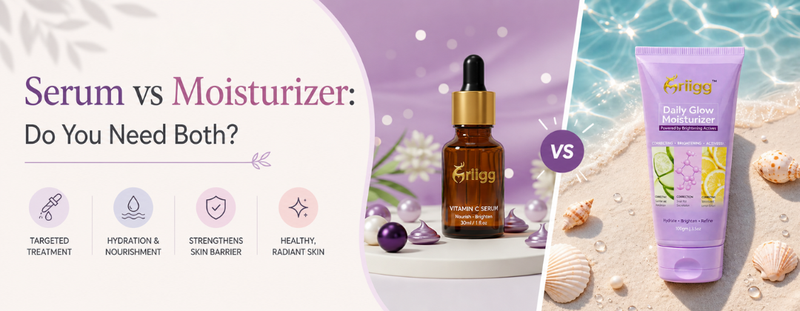
Wondering if you really need both serum and moisturizer? We break down the differences, benefits, and when you can skip one. No fluff, just answers.
Walk into any skincare aisle, and you'll see shelves packed with serums and moisturizers. One is thin and watery. The other is thick and creamy. And everyone online seems to say you need both.
But do you really?
Let's cut through the noise. I'll explain what each one does, whether you can skip one, and how to decide based on your skin type and budget. No marketing hype, just what actually works.
What's the Real Difference Between a Serum and a Moisturizer?
They look different because they do different jobs.
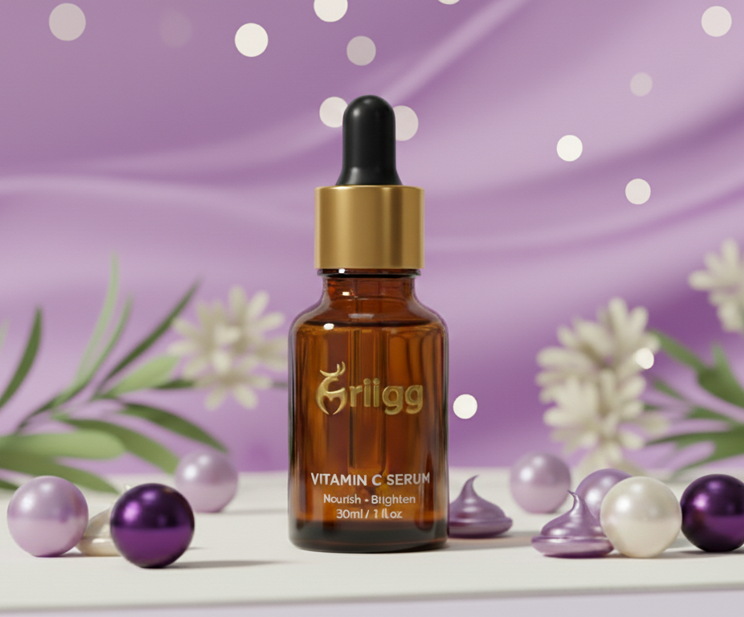
A serum is lightweight, almost like a liquid or gel. It's packed with active ingredients, vitamin C, niacinamide, hyaluronic acid, and retinol. Because the molecules are small, serums sink deep into your skin to target specific problems like dullness, fine lines, or dark spots.
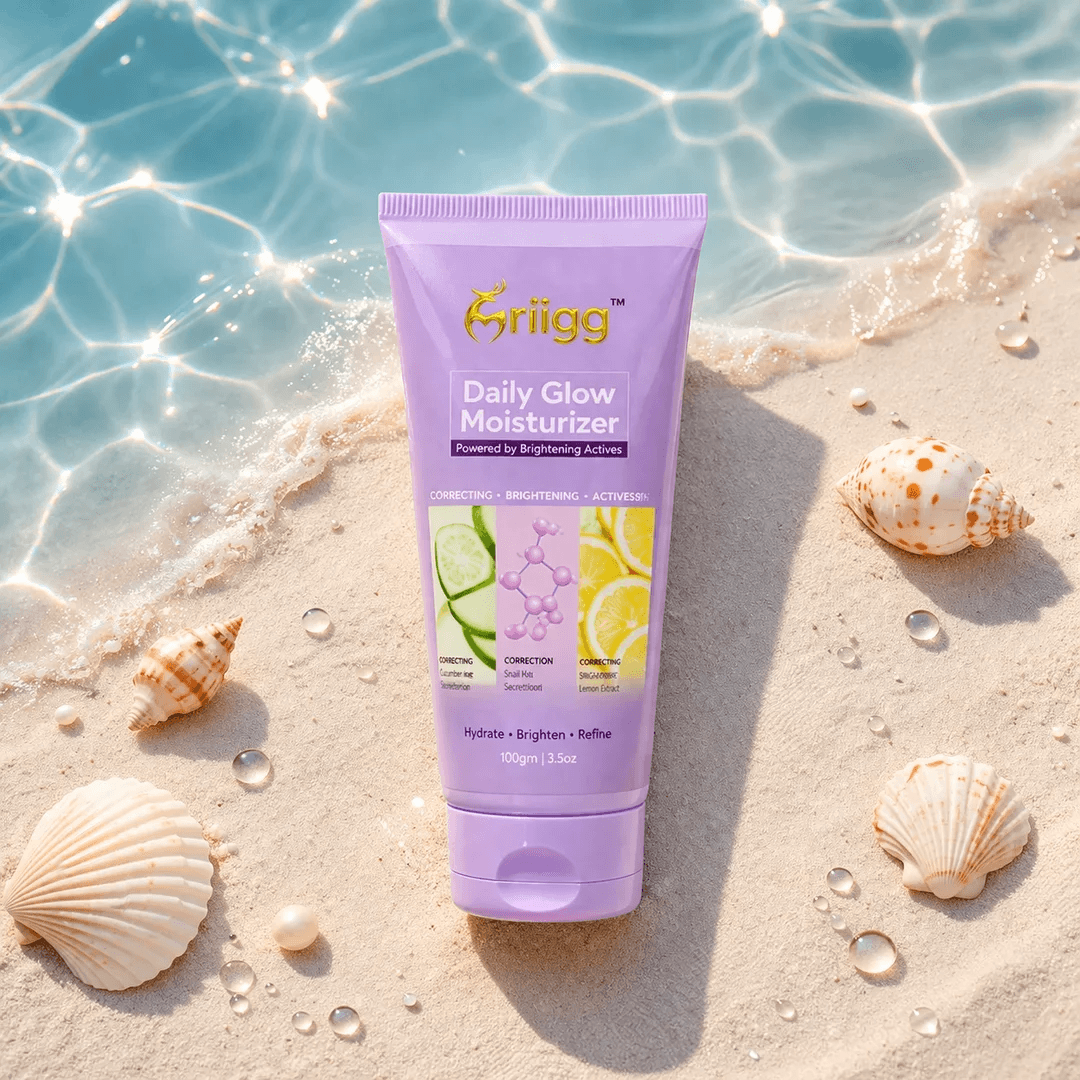
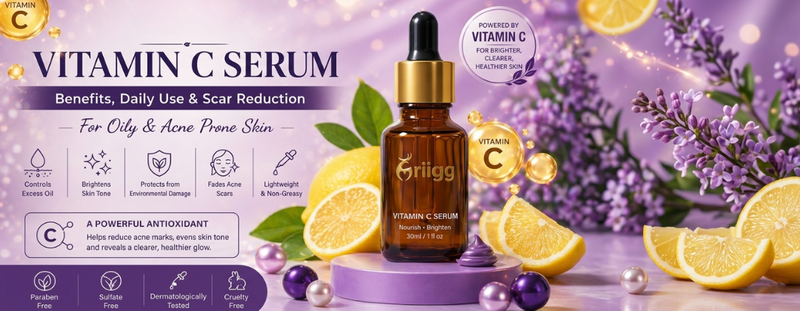
face moisturizer with vitamin c
A moisturizer is thicker and creamier. Its main job is to lock in water and strengthen your skin barrier. Think of it as a seal. Moisturizers have larger molecules that sit on top of your skin, keeping hydration from escaping.
Simple version: Serums deliver active ingredients deep down. Moisturizers seal everything in.
Do You Actually Need Both?
Here's the honest answer: it depends on your skin, your goals, and your patience.
Yes, use both if…
No, you can skip one if…
You can skip the serum if…
Your only goal is basic hydration. A moisturizer alone will keep your skin comfortable. Serums are for people who want to fix something specific.
Can You Use Serum Without Moisturizer?
Yes, but with a caveat. If your serum has hydrating ingredients like hyaluronic acid or glycerin, and your skin isn't dry, you might not need a moisturizer on top. Many people with oily or combination skin do exactly that in the morning.
But if your serum contains exfoliating acids (like glycolic or salicylic) or strong retinoids, skipping moisturizer can lead to redness, peeling, and irritation. Those activities need a buffer.
And Moisturizer Without Serum?
Absolutely. A decent moisturizer keeps your skin soft, prevents water loss, and protects your barrier. That’s enough for plenty of people. Serum is an extra step for extra results.
Which One First? The Right Order Matters
If you use both, apply serum first, then moisturizer. Always.
Serum has small molecules that need to reach deeper layers. Moisturizer has larger molecules that would block the serum if applied first. So, cleanse, serum, moisturizer, sunscreen (in the morning).
Wait about 30 to 60 seconds between layers. Just enough time for the serum to sink in.
What About Different Skin Types?
Common Mistakes People Make
The Bottom Line
So, serum vs moisturizer, do you need both? Here's your takeaway:
Start simple. Use just a moisturizer for two weeks. If your skin feels fine, great. If you still have breakouts, dullness, or uneven tone, add a serum that targets that one problem. Don't overcomplicate it.
Your skin doesn't need ten steps. It needs the right steps for you.
FAQs
Most serums are safe for daily use, but check the label. Vitamin C and hyaluronic acid serums are fine daily. Retinol or exfoliating serums (AHA/BHA) should be used 2-4 times a week, depending on your tolerance.
Not necessarily. Many people with oily skin use just a serum in the morning (like niacinamide or hyaluronic acid) and add a lightweight gel moisturizer only at night. Experiment and see how your skin feels.
Suppose your sunscreen is hydrating enough, yes, especially in summer. But many sunscreens can be drying or mattifying. If your skin feels tight by midday, you need moisturizer underneath.
Spend more on serum if you have a specific concern (dark spots, wrinkles, acne). Spend more on moisturizer if your skin is dry, sensitive, or if you just want healthy maintenance. Both are fine, but don't buy an expensive serum and pair it with a drying, alcohol‑heavy moisturizer.
About 30 to 60 seconds. You don't need to time it, just apply serum, brush your teeth, or do something quick, then apply moisturizer. The serum should feel mostly absorbed, not wet.
It's better to apply them separately. Mixing can change the pH or texture, and the serum won't penetrate as well. Layer them instead, serum first, then moisturizer.
Morning: serum (vitamin C or hyaluronic acid) + moisturizer + sunscreen. Night: serum (retinol or niacinamide) + moisturizer (maybe a thicker one). You can skip serum in the morning if you're in a rush, just cleanse, moisturize, and use sunscreen.
Serum, because it delivers active ingredients like retinol and vitamin C deep into your skin. But moisturizer is still important; dehydrated skin looks older and develops fine lines faster. Use both for best results.



Fast and secure delivery to your doorstep.

Our team is available anytime to assist you.

Easy returns with a hassle-free refund process.

Exclusive offers and savings for members only.